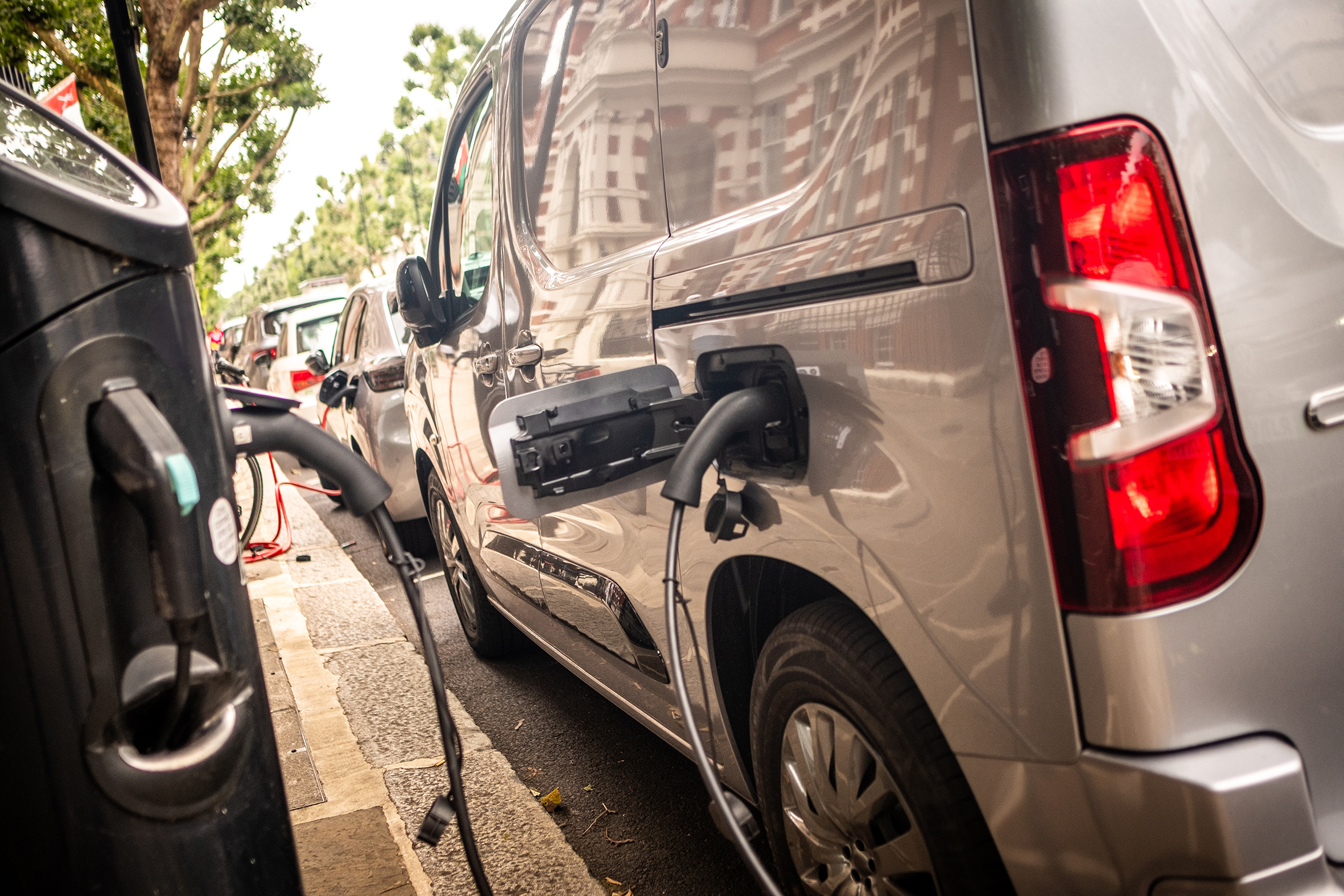
Proposals on changes to regulations to support the uptake of zero emission goods vehicles (ZEGVs) in Northern Ireland
Overview
Current driving licence categories mean that category B licence holders are not entitled to drive Zero Emission Goods Vehicles (ZEGVs), due to the additional weight of battery systems which results in the Maximum Authorised Mass (MAM) exceeding 3,500kg. The increased weight of the powertrain may not necessarily bring the weight of the vehicle over the 3,500kg max, but it would severely reduce the payload of the vehicle, thereby making it commercially less favourable. Increasing the weight to 4,250kg allows for this.
Drivers wishing to drive such a vehicle instead require a category C or C1 licence which increases costs for the user, including upfront licence acquisition. For such vehicles intended to be driven for commercial use, there are further additional costs resulting from the need for medical examinations and training for a driver certificate of professional competence (DCPC) to be completed.
This consultation is seeking views on proposed changes to the licensing entitlement to allow category B licence holders to drive ZEGVs with a MAM up to 4,250kg.
This consultation is being issued for a 4 week period. We are keen to hear from individuals, groups and organisations
Give us your views
Audiences
- Anyone from any background
Interests
- Farming
- ICT
- Academies
- Access to Buildings
- Accessibility
- Account NI
- Agriculture
- Analysis
- Animal Welfare
- Benefits
- Budget
- Building Regulations
- Bursaries
- Business Support Division
- Census
- Civil Justice
- Climate Change
- Climate Change
- Communications
- Community
- Community safety
- Complaints Process
- Consultation
- Courts
- Crime
- Criminal justice
- Customer Service Excellence
- Cyber Security
- DAERA Annual Accounts
- Demography
- Digital Transformation
- Disability
- Disability
- DVA Annual Accounts
- Employment
- Employment
- Energy Efficiency
- Engagement
- Environment
- Environment
- Equality
- Ethnicity
- European Research and Innovation funding.
- Eye Health
- Facilities Management
- Family Justice
- Finance
- Fire Safety
- Fisheries
- Further Education
- Health
- Health and Safety Policy
- Health and social care legislation
- Health and social care policy
- Health, Safety and Wellbeing
- Higher Education
- Historic Environment
- Household Statistics
- Housing and Accommodation
- Identity
- Improvement of health and social care services
- Income
- Inspection
- Internal Audit
- IT Assist Performance
- IT Assist Services
- Labour Market
- Language
- Migration
- NI
- NI Summary Statistics
- NICS Disability Staff Network
- NICS HR
- NIEA
- Part-time Student Finance
- Part-time Study
- Patient/service user advocacy
- Pensions
- Police
- Policing
- Policy Development
- Pollution Control
- Population Statistics
- Post-Primary Education
- Postgraduate Student Finance
- Postgraduate Study
- Pre-school Education
- Primary Education
- Prison Reform
- Probation
- PRONI
- Properties Division
- Provision of health and social care services
- Public Inquiries
- Public Spending
- Qualifications
- Quality and safety
- Quality Improvement
- Records NI
- Reform of Property Management Programme
- Regulation of health and social care
- Religion
- Reporting
- Research
- Rural
- Rural Development Programme
- Scientific
- Services and programmes
- Sexual Identity
- Skills/Staff Capacity Survey
- Special Educational Needs
- Staff Engagement
- Staff engagement
- Student Loans
- Supporting People
- Technical
- Testing
- Training and Support
- Transport
- Travel to Study
- Travel to Work
- Unemployed Claimants
- Veterinary
- Waste Regulation
- Water Regulation
- Wildlife
- Youth Sector and Youth Services
Share
Share on Twitter Share on Facebook